Eating around your workouts, without complicated rules
What actually matters before and after training, what is myth, and what the simple options look like for morning or evening sessions.
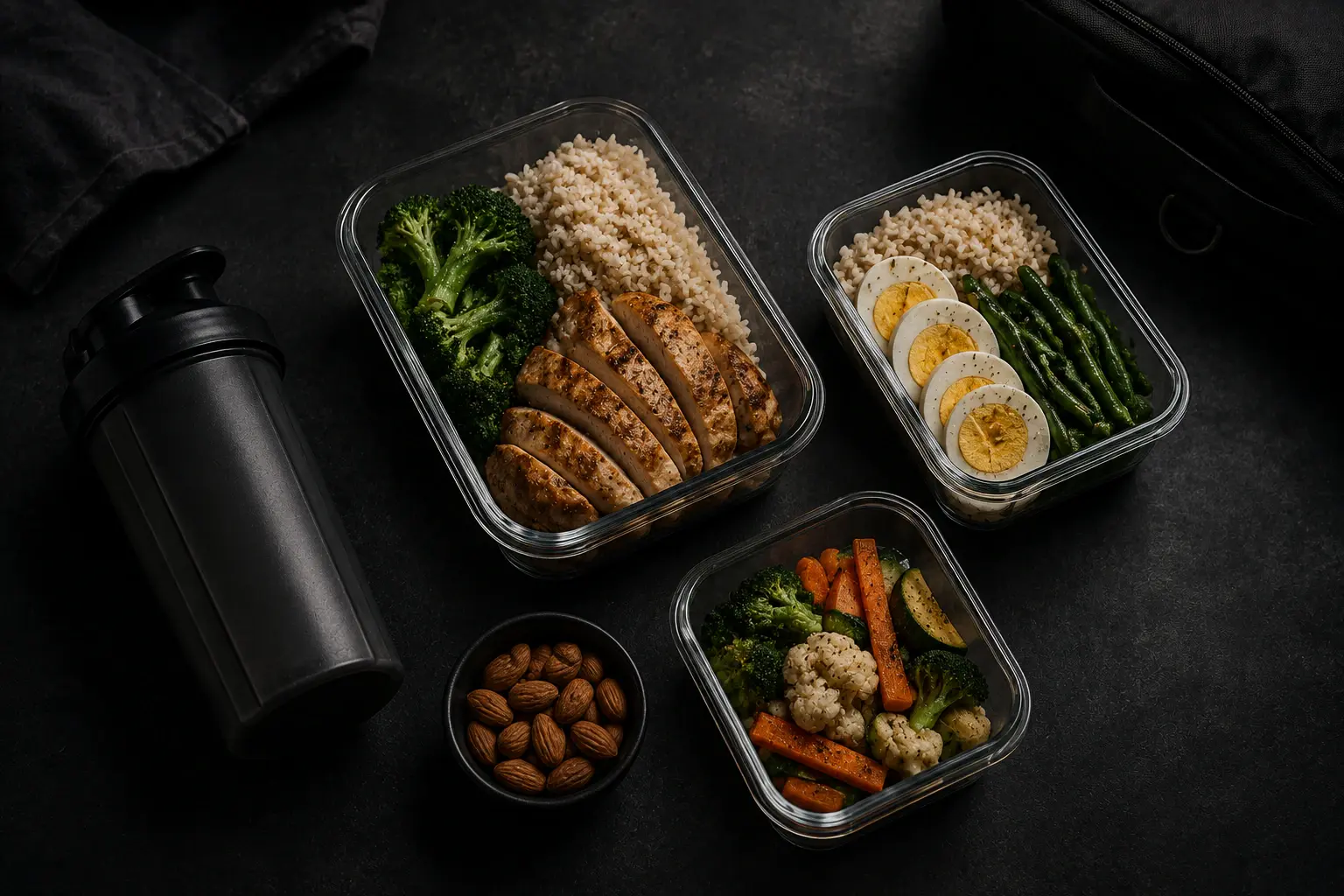
We keep getting the same questions: what should I eat before training, how fast do I need protein afterwards, is it okay to train on an empty stomach. The short answer to all three: it matters less than you think, as long as the day as a whole looks right.
What actually matters
The daily total. Calories and protein added up across a day, repeated across a week, decide the direction: up, down or holding steady. For most active people the protein target sits somewhere between 1.6 and 2.2 grams per kilogram of body weight per day, which in practice means a serious source of protein at every main meal.
If the total is in place, a training day differs surprisingly little from a rest day: the same food, at most distributed differently.
The second thing that matters is energy for the session, meaning exactly the carbohydrates many people avoid out of reflex. A strength workout needs no special strategy, just normal meals that day. If you train in the evening and you have had lunch and a snack, you have plenty of fuel.
What matters less than people say
The "anabolic window", the idea that you have 30 minutes after training to get protein in or it all goes to waste, was debunked a long time ago. The window exists, but it is measured in hours. If you ate a normal meal two or three hours before training, your body has what it needs during the session and after it.
Training on an empty stomach: for a 45 to 60 minute strength session early in the morning, it is fine for most people. If you feel flat, a banana or a yogurt 20 to 30 minutes beforehand solves it. Nobody needs a full breakfast at half past five.
Supplements: protein powder is food in powder form, useful when you are short on time, never mandatory. Creatine is the one cheap supplement with consistently proven effects. Most of the rest of the supplement store is marketing.
What it looks like in practice
For morning training: something small beforehand if you feel you need it, then a normal breakfast afterwards with a solid source of protein. For evening training: a regular lunch and a snack around four or five is usually enough, and the post-workout dinner closes the day.
An example of a day with an evening session: eggs or yogurt for breakfast, lunch with a clear source of protein and a normal side, a snack around five, training at seven, dinner after. Nothing about that day looks special, and that is exactly the point.
Two details actually worth remembering: an espresso 30 to 60 minutes before training helps, one of the few consistently confirmed effects, just not too late in the evening, or you pay for it with sleep. And hydration is solved by keeping water within reach through the day, not by rushing half a litre down in the last five minutes.
A few options that require zero cooking:
- Greek yogurt with fruit, works both before and after;
- boiled eggs kept in the fridge for busy days;
- a can of tuna and a slice of bread, the fastest protein meal there is.
If you want a more structured starting point, our list of protein-rich foods is free and fits on a phone screen.
One last observation from experience: complicated schemes rarely survive two weeks. A simple one, the kind you can keep up even in bad weeks, stands a chance of lasting a year.